






Was ‘The Sauce’ on ‘The Sauce? Did He Cheat? Lawrence Okolie and Paris GHRP 2 Controversy
By Robert Brizel, Head Real Combat Media Boxing Correspondent
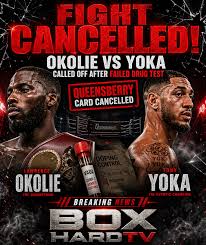
The World Boxing Council Silver vacant Heavyweight title bout scheduled for Adidas Arena on April 25, 2026, between former World Cruiserweight champion Lawrence ‘The Sauce’ Okolie and Olympic Gold Medalist Tony Yoka in Paris, France, was officially canceled after Okolie returned an adverse finding in a VADA anti-doping test.
Okolie, 23-1 with 17 knockouts, a former WBO World Cruiserweight and WBC World Bridgerweight (Junior Heavyweight) champion, and currently ranked as the number seven heavyweight in the world on BoxRec, reportedly tested positive for the banned human growth hormone stimulator GHRP 2. The entire Paris boxing card promotion was automatically cancelled. Okolie denies cheating on PEDS (performance-enhancing drugs) and denies the VADA finding. The matter is now in the hands of lawyers.
What is GHRP 2? GHRP 2 is a synthetic growth hormone-releasing peptide known to help recovery, increase muscle mass, and assist in fat loss. The GHRP-2 (Growth Hormone Releasing Peptide 2) is a synthetic peptide that stimulates the pituitary gland to release the body’s natural Human Growth Hormone, also called HGH. Boxers cannot legally use it because the World Anti-Doping Agency (WADA) classifies it as a banned performance-enhancing substance. A small chain of amino acids known as a Growth Hormone Secretagogue, GHRP-2, acts by signaling your body to turn up the dial and produce and release more of its own natural growth hormone.
Athletes and researchers utilize GHRP-2 for three primary biological effects: accelerated recovery, which helps repair damaged muscle fibers and connective tissues much faster, allowing fighters to endure heavy training camps; muscle and strength building, by boosting the HGH/IGF-1 axis and supporting lean muscle hypertrophy to reduce muscle protein breakdown; and increased appetite, because GHRP-2 mimics Ghrelin hunger hormone and stimulates food intake, which helps athletes consume enough calories to pack on size or fuel rigorous training.
Professional boxers cannot use GHRP-2 because it is strictly prohibited by WADA and the Voluntary Anti-Doping Association (VADA). Testing positive for the GHRP-2 peptide routinely results in multi-year athletic suspensions and overturned fight results.
GHRP-2 provides athletes, particularly boxers, with an unfair competitive advantage by artificially enhancing muscle regeneration and recovery, as the GHRP-2 peptide offers an unnatural edge over athletes who train relying solely on their natural physiology.
It should be noted that GHRP-2 use and abuse by athletes creates considerable safety risks, as using unregulated peptides carries major health risks such as potential insulin resistance, cardiovascular complications, and hormone imbalances.
Lawrence Okolie says he is innocent. Known by his nickname ‘The Sauce’, was the sauce on the sauce? Did he cheat or didn’t he? The French FFB must make that final determination, or not, via his appeal. Okolie is currently suspended from boxing, and faces Okolie a potential four-year ban from competition. Okolie’s legal defense is that his positive GHRP-2 result is not due to intentional doping, and he claims the adverse finding is linked to medical treatment he received for an elbow injury during his training camp in preparation for his cancelled bout with Tony Yoka. Okolie awaits a formal hearing to determine the outcome of his situation, and if adjudged guilty, the final length of his suspension, by the official governing body responsible for regulating both amateur and professional boxing in France, the French Boxing Federation, also called the Fédération Française de Boxe or FFB, will be determined at that time.
Okolie could be innocent. This reporter, aware of the dangers of Human Growth Hormones, steroids, weight-reducing drugs, and performance-enhancing drugs, condemns their use and abuse. Boxing and other professional sports continued to be riddled with controversy over athletes attempting to gain an unfair advantage. However, the long-term health effects, leading to brain damage, physical body deterioration, and death, are not worth the risks. It is about time the athletes stop using excuses to defend their use, and own up to the risks and dangers associated with human growth hormones, steroids, weight-reducing drugs, and other stimulants. Boxing, like other sports, can provide only quality entertainment and maintain a clean reputation if the athletes within the sport reflect proper values. To date, for some in the sport of boxing, this is not happening. Because of this, anti-doping authorities like WADA and VADA must remain ever vigilant.

Sign up to DAZN For World Class Boxing
Follow @realcombatmediasports on Instagram
Follow Real Combat Media on Facebook
Support Real Combat Media Charity Foundation
Shop at Real Combat Media Fight Store


 English