






Bullfighting or Boxing: Which is More Dangerous? A Deep Look at the Dark Side
Editorial By Robert Brizel, Head Real Combat Media Boxing Correspondent
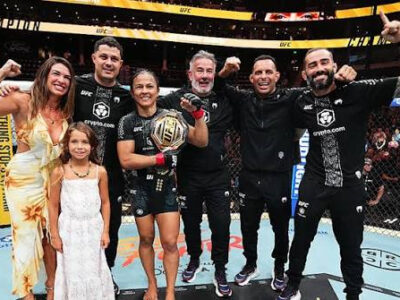
Boxing and bullfighting are both brutal action sports. Both have a great sense of dangerous. In both sports, the competitors are ever aware of their mortality, less they down and pay with their lives. It is a brutal angle from which to view both sports, as boxing and bullfighting have both similarities and differences.
Bullfighting is a mainstream sport in the nations of Spain, France, Portugal, Mexico, Columbia, Venezuela, Peru and Ecuador. In those countries, boxing is also legal. In Spain’s annual Pampalona Festival, the Fiesta de San Fermin, people run through the streets with bulls chasing them trying to gore them.
In boxing, there is a concept of cumulative damage from head and body taking years of punches. Some boxers are okay. Others do have long last effects, brain or body. With bullfighting there is a similar risk, but it is from getting gored by a bull’s horns, not getting hit by human fists.
Looking back at the death of Benny Kid Paret, on April 3, 1962, from injuries received in a world welterweight title match with Emile Griffith on March 24, 1962, Paret took horrific punishment from Griffith before he slumped to the canvas unconscious.
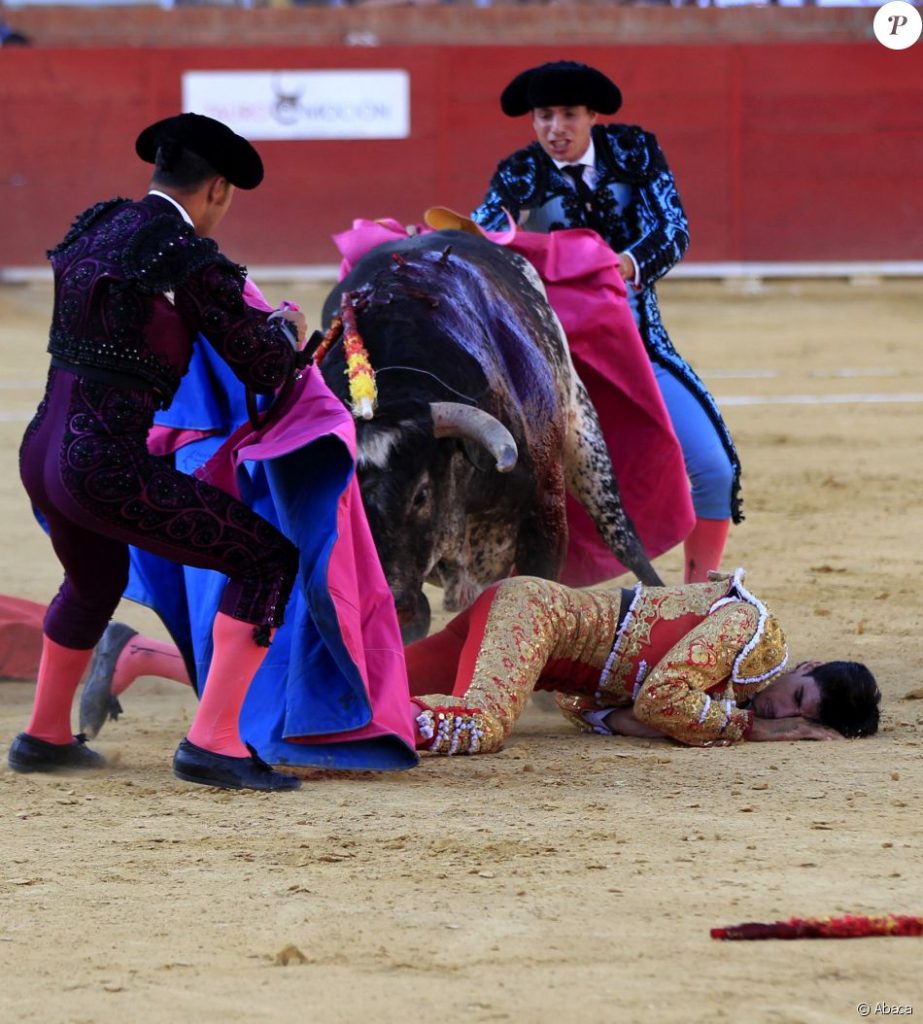
On July 9, 2016, with the timing of his moving cape defense off by a split second when the cape blew out of position, matador Victor Barrio, 29, was killed at the Feria De Angel Festival in Teruel, Aragon, Spain. Barrio and Paret both met their deaths in ‘a ring’, and both met their deaths on television. Both left widows behind. How preventable either death was is a matter of speculation.
Paret, age 25, had taken too many blows in recent bouts, and had no chance to survive. Paret lost five of his last seven bouts, fighting Griffith three times and losing twice. Paret also lost to Gene Fullmer, Gasper Ortega, and Denny Moyer. Paret went 85 rounds in his last seven bouts, averaging more than 12 rounds a bout. Paret’s bouts with Luis Federico Thompson and Emile Griffith II each went 15 rounds. The end of Paret’s life also marked the end of the distinguished 15 year career of referee Ruby Goldstein for all intensive purposes, who would referee only once more two years later.
Barrio and Paret were both young men in the prime of their lives. Famous champions. Paret’s give me ten punches and I’ll land two made him perfect for television, which wanted action sports and welcomed competitive boxing fought at the highest level in the black and white era.
Barrio had the benefit of Banderilleros to support him, who have their own capes to distract the bull. When Barrio got gored, the Banderilleros tried to distract the bull so help could reach Barrio, but it was too late. Gored twice, the second time through the heart, Barrio became the first bullfighter to die in nearly 30 years. Spanish Matador Jose ‘Yiyo’ Cubero died in Madrid in 1985, Columbian matador Jose Eslava Cacera died in 1987.
Sergey Kovalev understands life and death better than most boxers, having watched Roman Simakov died after he knocked him out. Johnny Owen was on life support in a coma for 46 days and nights after getting knocked out by Lupe Pintor. Other names gone include Becky Zerlentes. Willie Classen. Duk-Koo Kim. Beethavean Scotland. Sam Baroudi.
The boxer and the matador must both look into the eyes of death, and make sure of their own sense of purpose. The key distinction is the boxer looks into the eyes of another boxer, who is human. The matador looks into the eyes of an animal, a bull, which is far more dangerous an opponent than a human. Strangely, animal rights activists, who consider killing animals senselessly for sport a crime, care far more for the life of the bull than the human. If you have ever seen the movie Godfather II, when Tom Hagen puts the horsehead into the movie director’s bed, the direct got endless complaints from animal rights activists, but no complaints about violence to humans. Go Figure.


 English