

Three Fighters Suspended For Using Cannabis, For Violations Predating July 2021 Rules Change
By Robert Brizel, Head Real Combat Media Boxing Correspondent
Las Vegas, NV (September 23rd, 2021)– [This story includes nonjudgmental updated recreational and medicinal laws, as applies to medicinal and recreational use of marijuana in U.S. states, territories, and tribal nations. Please note Federal laws, rules and regulations of state and territorial athletic commissions and current rules/standards of voluntary anti-doping organizations differ from the law.]
Across the United States, American states continue to legalize the right to use marijuana for recreational and medicinal purposes, and license cannabis stores featuring a variety of cannabis products. However, not all American states have gone with the trend, in particular as applies to the recreational and or medicinal use of cannabis in amateur and professional sports. Our society, in various American states, continues to go through various stages and transitions, and some areas have not yet caught up with others in terms of legalization and tolerance in the cannabis industry. Eventually, society will demonstrate complete tolerance, as it has with recreational alcohol and tobacco products.
In the state of Nevada in 2021, recreational marijuana use is legal. Adults 21 and over may possess up to one ounce of marijuana or 1/8 of an ounce of cannabis concentrate. It can be sold that way. Marijuana may be used privately. It may not be consumed in public, including all public areas such as restaurants, casinos and hotel rooms. Violating these rules can lead to criminal charges. Only Nevada State official licensed dispensaries may sell cannabis products. In 2021, public consumption may become legal in licensed social use venues. On October 1, 2021, twenty cannabis social lounges will be opened (similar to the cigar lounge concept) where individuals can use cannabis products in public in Nevada in a controlled environment. Eventually, more cannabis social lounges will be allowed to be opened across the state.
The Nevada State Athletic Commission has already voted to stop punishing athletes for marijuana use, a move which mirrors the rules adopted by the United States Anti-Doping Agency. The NSAS rules change took effect on July 7, 2021, but unfortunately did not apply to retroactive cases tests before and after athletic events before July 7, 2021. Appealed are allowed on failed drug tests, usually to present additional evidence, or test sample “B” after sample “A” was tested.
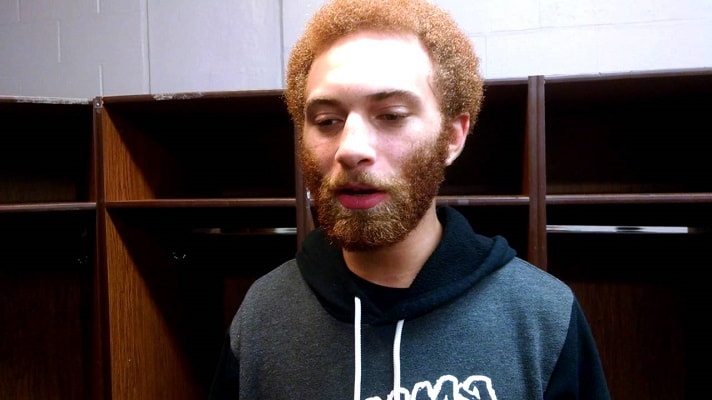
The Nevada State Athletic Commission currently does athletes to test positive for marijuana use for recreational purposes. However, at the latest Nevada State Athletic Commission hearing, UFC fighters Tim Elliott, Jamahal Hill and Luis Pena, were suspended for testing positive for marijuana use prior to the rules change. Here are the violations assessed: Hill, 7-0 MMA, 1-0 UFC, a first-round TKO victory over Klidson Abreu on ESPN overturned to a no contest, six-month suspension and fine of 15 percent of his fight purse; Elliott, 16-11-1 MMA, 5-9 UFC, suspended four and a half months and fined 15 percent of the fight purse from the corresponding bouts (reduced suspension for taking his fights on short notice; Pena 8-3 MMA, 4-3 UFC, suspended four and a half months and fined 15 percent of the fight purse from the corresponding bouts (reduced suspension for taking his fights on short notice; and Deron Winn, 6-2 MMA, 1-2 UFC, received an eighteen hundred dollars fine and nine months suspension for testing positive to amphetamines.
Despite the unfairness, the fighters evaluated have accepted their suspensions and fines assessed. Their careers can be resumed later. The issue is the three fighters penalized for using cannabis were doing so legally in private. They stepped in and took UFC bouts on short notice. They did not have sufficient time to get off their legal cannabis use, to insure their body systems tested clean, because they took bouts on short notice as late subs.
At issue is whether an amateur or professional athlete, who is using marijuana legally as defined by the laws of their state in the United States, should still be penalized by a state athletic commission whose own rules and regulations may different from the laws of the state. The questions should an athlete who uses marijuana recreationally legally in his state, be penalized by the athletic commission of his or her state or another state? The answer is: first, different states can have different laws; two, the laws of the state may in a state of change and transition (we see Nevada’s laws about public consumption are changing in part on October 1, 2021), three, state and international athletic and Olympic organizations and anti-doping organizations have different rules, regulations and standards (subject to change) which can differ from the nations and jurisdictions which they represent; four, NSAS rules changed, and some fighters are being punished unfairly.
In a sense, this reporter understands the paradox. It is a contradiction in terms for a law abiding citizen to be subject to different standards by a different state organization and the national body, in this case the NSAC (the Nevada State Athletic Commission). Laws and rules can change over time. The state laws and the NSAC are in conflict, and the athletes are paying a price. Perhaps the marijuana helps the athletes to calm their nerves from training. What the NSAC is saying is it wants the athletes clean and drug-free as they define it, and have redefined it, in contradiction to how they used to define it, and the state defines it, which is highly confusing. Different states have different rules, so a uniform standard is needed.
States and territories of the United States in 2021 where recreational use of marijuana is legal (with areas of use and amounts still regulated): Alaska, California, Colorado, Illinois, Maine, Massachusetts, Michigan, Nevada, Oregon, Vermont and Washington, Guam and the Northern Mariana Islands.
Native American Dependent Tribal Nations in the United States in 2021 where recreational use of marijuana is legal by tribal law (allowed in the United States within the borders of the tribal nations only): St. Regis Mohawk Tribe New York; Eastern Band of Cherokee Indians North Carolina; Flandreau Santee Sioux Tribe and Oglala Lakota Sioux Tribe South Dakota; Suquamish Tribe and Squaxin Tribe Washington State.
States and territories of the United States in 2021 where legally prescribed medical use of marijuana is legal: Alaska, Arizona, Arkansas, California, Colorado, Connecticut, Delaware, Florida, Hawaii, Illinois, Louisiana, Maine, Maryland, Massachusetts, Michigan, Minnesota, Missouri, Montana, Nevada, New Hampshire, New Jersey, New Mexico, New York, North Dakota, Ohio, Oklahoma, Oregon, Pennsylvania, Rhode Island, Utah, Vermont, Washington, West Virginia, the District of Columbia, Guam, the Northern Mariana Islands, Puerto Rico, and the United States Virgin Islands.
Dates in progress regarding marijuana laws passed but not yet put into effect: Montana laws take effect January 1, 2022; Connecticut and New Jersey laws have yet to take effect; New Mexico and New York’s laws take effect April 1, 2022: Virginia laws take effect January 1, 2024.
While this reporter maintains a clean law-abiding lifestyle is always the correct route to be taken, the UFC fighters, as well as all amateur and professional athletes in the State of Nevada, should not be punished retroactively after a change in the Nevada State Athletic Commission’s marijuana laws, which now correspond to State of Nevada marijuana laws. The change in NSAC rules is sufficient to grant the athletes involved clemency. Note this viewpoint is neither an approval of the use of recreational or medicinal marijuana nor an endorsement. Rather, the Nevada State Athletic Commission has determined marijuana use is to be allowed, and as an aftereffect, should clear the records of all athletes previously assessed marijuana use violations due to the change in NSAC policy in neutral fairness. Other state and territorial athletic commissions, if they follow and allow marijuana use by athletes as well, should also clear past violations of athletes for marijuana from their records as well. There’s a need for a uniform standard in amateur and professional athletics. Unfortunately, if American states, as well as foreign countries, have a different interpretation of the laws, including marijuana laws, it becomes confusing for an athletic commission to have its own same or differing rules not necessarily in harmony with the laws of the jurisdiction where it functions. For many athletes, it’s confusing as hell.

COMMENTS

 English